



Intro:
Great design doesn’t happen by chance—it’s guided by psychology. The way users interact with a digital product is deeply influenced by how it makes them feel, what it leads them to notice, and how smoothly it moves.
In 2025, brands that understand design psychology are creating more intuitive, persuasive, and emotionally aligned experiences. From the colors you choose to the way your layout breathes, every detail can change how users behave.
Here’s how to harness color, space, and motion to guide behavior, build trust, and increase engagement.
1. The Psychology of Color
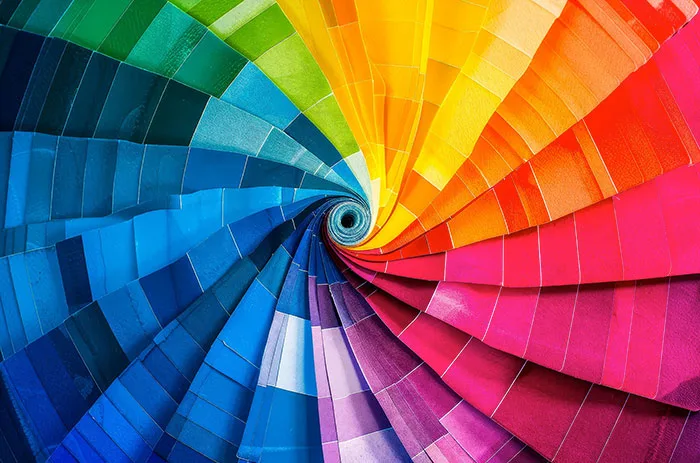
Color triggers emotion faster than text. Whether it’s excitement, calmness, urgency, or trust, color helps define your brand’s personality and sets the mood for user interaction.
Color Strategies That Work:
- Blue = trust, stability (great for tech, finance)
- Red = urgency, passion (used for sales/alerts)
- Green = balance, growth (eco, health-focused brands)
- Black/White = luxury, minimalism
🎨 Tip:
Stick to a 2–3 color palette for clarity. Use accent colors to highlight CTAs and key actions.
2. White Space = Breathing Room
Also known as negative space, white space isn’t “empty” space—it’s purposeful silence in design. It directs attention, improves readability, and reduces visual stress.
Users tend to trust interfaces that feel uncluttered. Clarity builds confidence.
Quick Wins with White Space:
- Increase padding around text blocks
- Add margins between sections for structure
- Don’t overcrowd cards, buttons, or product grids
3. Layouts That Follow Natural Eye Movement
Users don’t read—they scan. Most eyes move in Z-patterns or F-patterns, especially on desktop. Your layout should follow these patterns to lead users from headline to CTA.
🧠 Tip:
Place the most important info—value prop, offer, or action—within the top-left and top-center zones. Anchor the CTA bottom-right for natural flow.

4. Motion Creates Connection
Animations, transitions, and microinteractions provide context and make digital spaces feel alive. But motion should enhance, not distract. Use it to indicate state changes, confirm actions, or guide attention.
Where to Use Motion:
- Button hovers or clicks
- Slide-in messages
- Page load transitions
- Scroll-based effects
⚠️ Tip:
Avoid excessive movement. Too much animation can feel chaotic or slow. Keep it subtle, smooth, and purposeful.
5. Typography Speaks Without Sound
Fonts influence emotion. A playful handwritten typeface can feel casual and fun, while a bold serif font communicates strength and heritage. Great typography sets tone even before a word is read.
Typography Tips for Impact:
- Use 2 typefaces max (e.g., one for headings, one for body)
- Maintain contrast between heading sizes and body text
- Ensure high readability on all devices
6. Visual Hierarchy Triggers Action
Your layout should naturally guide users from attention → interest → action. The size, color, contrast, and spacing of each element tells the user what’s important—and what to do next.
Large bold headlines grab. Smaller supporting text explains. Buttons close the deal.
🔑 Tip:
Think in layers: bold, readable, scannable. Use hierarchy to reduce mental effort and increase conversions.
7. Emotional Design = Memorable Experience
Humans are emotional beings. The most impactful websites don’t just function well—they feel good to use. Delightful transitions, thoughtful copy, and intuitive layouts create emotional bonds with users.
Ways to Add Emotion to Design:
- Use storytelling visuals or illustrations
- Celebrate user actions (like confetti on form completion)
- Add friendly microcopy with personality
Conclusion
Design is more than style—it’s psychology in pixels. Every element on your site should be intentional, serving the user emotionally and functionally. When color, space, and motion work together, the result is more than just a beautiful site—it’s a persuasive experience.
👉 At Design Deus, we use behavioral insights to design interfaces that feel natural, intuitive, and powerful. Let us craft a user experience that truly connects—with both the mind and the heart.